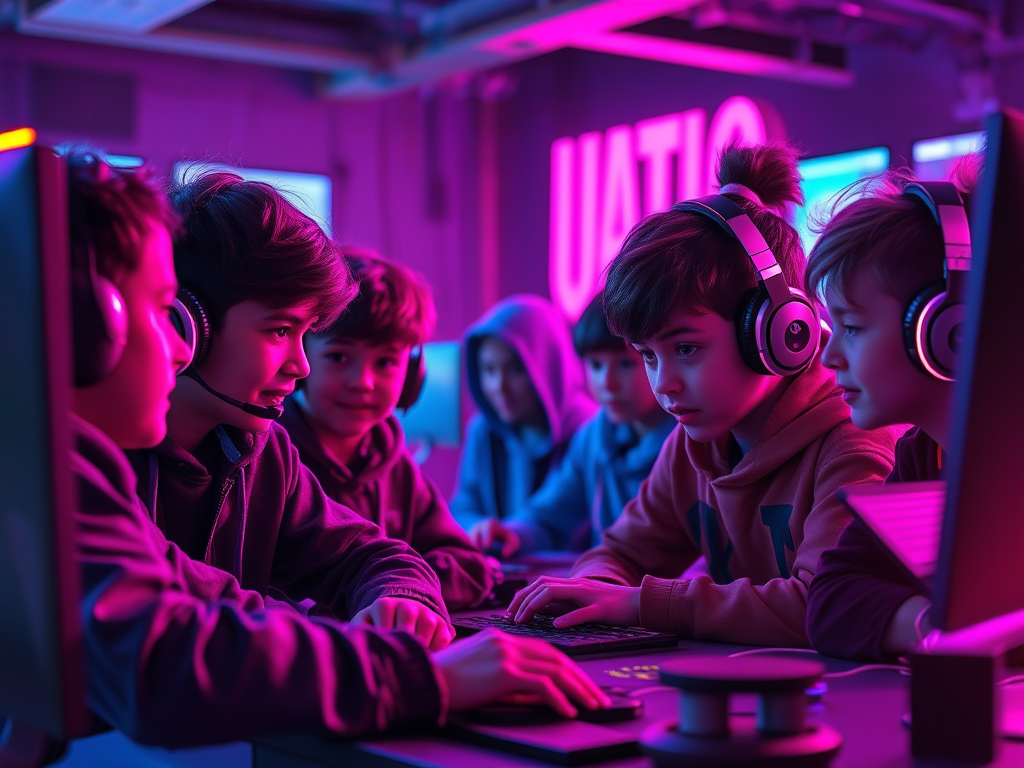
Esports refers to competitive video gaming where players or teams compete against each other in organized tournaments. These competitions can occur online or in person, often featuring popular video games such as League of Legends, Fortnite, Counter-Strike, Dota 2, and Rocket League.
Esports have rapidly evolved from a casual pastime into a structured and impactful educational tool. As esports become more popular, parents must understand how it affects their children. In this digital age, where gaming has become an important part of both adult and youth culture, knowing more about esports can help parents guide their children toward healthy and productive engagement with this emerging field.
The Benefits of Esports:
Esports offers numerous advantages that extend beyond entertainment. It fosters students’ cognitive, social, and academic growth, making it a valuable addition to modern education.
Teamwork and Collaboration: Esports often involve team-based games that require players to work together towards a common goal. This promotes collaboration and communication skills, essential for both academic and professional success. Students also build friendships and a sense of community through shared interests, contributing to social-emotional development.
Soft Skills Development: Participating in esports enhances important life skills such as strategic thinking, problem-solving, and adaptability. Players must make quick decisions under pressure, helping them develop resilience and the ability to think critically. These skills are transferable to real-world scenarios, including academics and future careers.
Academic Performance and Engagement: Studies have shown that involvement in esports programs can lead to improved grades and attendance rates. Many schools integrate esports into STEM/STEAM curricula, making learning more engaging and relevant. Esports provide a dynamic and interactive educational experience by incorporating subjects like mathematics, computer science, and digital literacy.
Inclusivity and Accessibility: One of the unique aspects of esports is its inclusivity. Unlike traditional sports, esports provide a level playing field for students of all physical abilities and backgrounds. This makes it an excellent avenue for students who may not participate in conventional extracurricular activities.
Career Opportunities and Scholarships: Esports is more than just a game; it offers a gateway to numerous career paths. Fields such as game design, programming, broadcasting, and esports management provide exciting opportunities for students interested in technology and digital media. Moreover, many colleges and universities now offer esports scholarships, helping students fund their education while pursuing their passion.
Potential Flaws of Esports:
There are potential drawbacks to esports, and parents should take proactive steps to mitigate them.
Let’s learn about the drawbacks:
Excessive Screen Time: Prolonged gaming sessions can lead to eye strain, poor posture, and reduced physical activity.
Parents can mitigate this issue by setting screen time limits, ensuring ergonomic gaming setups, and encouraging regular breaks and physical exercise.
Risk of Addiction: Some children may develop compulsive gaming habits, leading to neglect of responsibilities and social isolation.
Parents should monitor their children’s gaming habits, encourage alternative activities, and set clear expectations regarding time management.
Online Safety Risks: Exposure to inappropriate content, online predators, and data privacy concerns can pose significant threats.
Parents can protect their children by enabling parental controls, discussing online safety measures with them, and monitoring their online interactions.
Academic Distractions: Gaming can interfere with schoolwork, leading to decreased focus and poor academic performance.
Parents should set a structured routine that balances gaming with academics and other responsibilities.
Toxicity and Cyberbullying: Competitive environments may expose players to harassment, negative behavior, and unsportsmanlike conduct.
Parents can teach their children about digital etiquette, encourage positive gaming communities, and foster open communication about their online experiences.
Step-by-Step Guide for Parental Involvement:
Parental guidance is crucial in ensuring a balanced and responsible approach to esports gaming. When parents understand what esports is and how it can be beneficial, they can help their children use it in the best possible way.
Here is a step-by-step guide on how parents can support their child’s involvement in esports:
Learn About Esports: First of all, understanding esports is very important to provide meaningful support. Research the games your child plays, including their mechanics, objectives, and age appropriateness. Familiarizing yourself with popular esports platforms, tournaments, and competitive structures will help you engage in informed discussions with your child. Showing genuine interest in their gaming activities can strengthen your bond and encourage open communication.
Set Healthy Boundaries: You must establish clear rules around screen time and gaming schedules. It is essential for maintaining a balanced lifestyle. Encourage your child to divide their time effectively between gaming, academics, physical activities, and social interactions. Monitoring their gaming habits ensures responsible and mindful engagement, preventing excessive play that could interfere with daily responsibilities. Setting a structured routine will help create a healthy balance between esports and other aspects of life.
Encourage Educational Integration: Esports can be more than just entertainment; they can be an educational tool. Support your child’s involvement in school-based esports programs or clubs that promote teamwork and learning. Many esports games integrate STEM/STEAM concepts, improving problem-solving, critical thinking, and technological literacy. Help your child recognize the skills they develop through gaming, such as strategic planning, communication, and leadership, and guide them in connecting these abilities to future career opportunities.
Ensure Online Safety: The online nature of esports exposes children to various risks, including cyberbullying, inappropriate content, and privacy threats. Setting up parental controls on gaming platforms can help manage content access and in-game interactions. Educating your child about online etiquette and the importance of safeguarding personal information will enhance their awareness of digital safety. Encouraging open communication ensures that your child feels comfortable discussing any negative experiences or safety concerns they encounter while gaming.
Attend Events and Celebrate Achievements: Participating in local or online esports competitions as a spectator can help you better understand your child’s passion for gaming. Acknowledging their achievements, whether big or small, will boost their confidence and motivation. Engaging with other parents and educators in the esports community can also provide valuable insights into the evolving landscape of competitive gaming. By being actively involved, parents can foster a supportive environment that encourages both personal and educational growth through esports.This is your first post. Edit or delete it, then start writing!

Leave a Reply